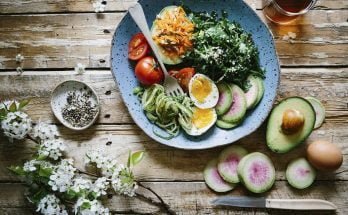
The type of foods to eat while living with HIV is very essential to your health. Eating a healthy balanced diet to keep you stronger and maintain your actual body weight matters a lot.
In fact, living with HIV/AIDS requires a proactive approach to health, and nutrition plays a critical role in maintaining a strong immune system and overall well-being. A balanced diet can help manage symptoms, improve energy levels, and enhance the effectiveness of antiretroviral therapy (ART).
In this post, tell you 20 foods that can support a healthy life for individuals living with HIV/AIDS, backed by science and expert recommendations.
Why Nutrition Matters for People Living with HIV/AIDS
HIV/AIDS weakens the immune system, making the body more susceptible to infections and illnesses. Proper nutrition helps:
- Strengthen the immune system
- Maintain a healthy weight
- Improve energy levels
- Enhance the effectiveness of medications
- Reduce the risk of complications
According to the World Health Organization (WHO), people living with HIV/AIDS have higher nutritional needs due to the virus’s impact on metabolism and nutrient absorption.
In addition, you can stay over 50 years with the HIV virus, when you start eating healthy diet and doing regular exercise. However, poor dietary choices and a sedentary lifestyle reduce the body’s immune system and must be rectified.
They might worsen your health conditions and reduce your CD4 counts. Therefore, drugs administered to you cannot work effectively to fight HIV viruses.
What is the immune system?
Body immune systems are the activities that are carried out by the organs to fight off infections and toxins. These organs may include the thymus and tonsils, bone marrow and lymphatic system, and white blood cells, they work together to protect the body.
For instance, the spleen filters the blood by removing worn-out cells and, therefore, helps the immune system to kill bacteria and other toxic substances.
Discover: 36 Natural Foods That Boost Immune System Faster
20 Foods To Eat While Living With HIV/AIDS To Boost Immunity
Eating foods that are rich in boosting the immune system is recommended for effective body function and to help fight off HIV infections.
Here are foods to eat while living with HIV to stay healthy and stronger.
-
Vegetables
Vegetables are packed with the most essential nutrients. They contain vitamins, minerals, and fibers.
In addition, vegetable has antioxidant properties that help fight off infection. Vitamins and minerals, on the other hand, help boost the immune system and other body functions.
For that very reason, vegetables are essential types of foods to eat while living with HIV; they make you stay healthy and stronger throughout the day.
Finally, vegetables protect you from other complications such as blood pressure heart attack, diabetes, and body inflammation. Below are examples of vegetables:
- Kale
- spinach
- collards
- Swiss chards
- Broccoli
- Cauliflower
- Cabbage
There are several vegetable foods to eat that can make you stay healthy and stronger as you live with the HIV virus.
-
Fruits
Eat plenty of fruits especially when living with HIV/AIDs. Fruits are high in vitamins. They contain antioxidants that fight off infections and protect your immune system.
Including fruits in your meals can also enhance your body functions and protect you against other chronic illnesses like cancer, diabetes, obesity, and heart attack.
For you to stay healthy and stronger, ensure that there are fruits in your diet. Examples of fruits that can boost your immune system are:
- Berries
- Oranges
- Carrots
- Citrus fruits like grapefruits, and oranges
- Avocado
- Coconut
- Tomatoes
There are several whole fruits to eat that can make you stay healthy and stronger while living with HIV virus.
-
Green Tea
Another type of food to eat while living with HIV to stay healthy and stronger is green tea. Did you know that green tea contains antioxidants that protect your immune system?
It also helps in blood pressure management and helps in weight loss. Thus, reduces the lipodystrophy caused by excess fats, a potential side effect of HIV.
The antioxidant available in green tea also helps protect cells from DNA damage caused by free radicals. Green tea is very essential as compared to milk tea, coffee, or chocolate tea. Ensure you drink enough green tea to stay healthy and stronger.
-
Porridge
Replace flavored drinks with porridge. Porridge contains essential nutrients that help boost the immune system. It increases your energy level and enhances the effectiveness of the ARV drugs that you use to boost and fight off infections.
Studies show that drinking porridge improves your body’s immune system and eases issues brought on by HIV and its treatments. Consider drinking porridge anytime you take ARV drugs to stay healthy and stronger.
-
Chamomile tea
Chamomile tea is an essential type of drink that you need to intake while living with HIV. It contains apigenin, an antioxidant that helps improve body’s immune system to fight off HIV infections and reduce the risk of anxiety disorders.
It also helps enhance sleep and nerve relaxation. Research reveals that those taking 3 cups of chamomile tea gradually boost the immune system and reduce anxiety. Thereby, achieving great sleep as compared to those given a placebo. Thereby, drinking chamomile tea helps you stay healthy and stronger throughout the day.
-
Whole Grains
Grains are loaded with fiber, minerals, and energy-boosting B vitamins and contain a decent amount of protein much healthier for your body.
Whole grain contains antioxidant that helps fight off infections. In addition, eating plenty of fiber can lower your chances of getting fat deposits called lipodystrophy, a potential side effect of HIV.
For that matter, whole grains are among the best types of foods to eat while living with HIV to stay healthy and stronger. They include:
- Oats
- brown rice
- whole wheat bread
- quinoa
- beans
- corn
Oats are loaded with beta-glucans, soluble fibers that boost the rate of satiety and promote metabolism.
It also helps in reducing the risk of stomach cancer. Brown rice contains a great amount of resistant starch. Specifically, if cooked and then eaten after some time when it is cool, makes you stay healthy and stronger.
-
Cinnamon
A very important natural type of food to eat while living with HIV is cinnamon. Cinnamon has several health benefits including reduction of blood sugar and ease of inflammation.
Furthermore, cinnamon may help prevent the spread of HIV virus cells. Cinnamon also reduces tumor size. For better health, include cinnamon in your diet to reduce tumors, blood sugar, and inflammation, thus, making you stay healthy and stronger.

-
Omega-3 fatty acids
The most essential type of foods to eat while living with HIV/AIDS is omega-3 fatty acids. This is due to their several health benefits.
Omega-3 fatty acids help build muscle and a strong immune system. It also reduces inflammation, type 2 diabetes, blood pressure, and lower cholesterol level.
Study shows that omega-3 fatty acids help boost body’s immune system and ease issues brought on by HIV and its treatments. Here are foods rich in omega-3 fatty acids:
- lean beef
- Fatty fish
- Salmon
- Sardines
- Walnut
- Flaxseed
- Nut oils
It is advisable to eat fatty fish 3 times per week to get enough of omega-3 fatty acids and vitamin D, and to utilize the potential health benefits of these nutrients for better health.
Discover: Top 20 health benefits of eating fish or food rich in omega-3 fatty acids twice a week
-
Nuts and Seeds
Whole food like nuts and seeds are rich in fiber, minerals, and other vegetarian protein. Nuts and seeds have anti-inflammatory and antioxidant properties.
Therefore, eating nuts and seeds may improve your immune system to fight against HIV infection. It can further reduce heart disease, blood pressure, diabetes, and a certain type of cancer.
Consider including nuts and seeds in your diet, as they are the foods to eat while living with HIV/AIDS to be healthy and stronger. Here are examples of nuts and Almonds
- Walnuts
- cashews
- Brazil nuts,
- Peanuts
- Sunflower seeds
- pumpkin seeds
- chia seeds
- Flaxseeds
- hemp seeds
-
Mushrooms
Did you know there are a good number of edible mushrooms that are nutritious and can help you stay healthy while living with the HIV virus?
Mushrooms contain vitamin A, potassium, fiber, and an array of antioxidants. This helps improve the body’s immune system to protect you against infections, thus, enabling you to stay healthy.
It also helps in reducing inflammation in the body. Eating mushrooms is more satisfying and helps reduce the intake of high calories. The following are examples of mushrooms:
- Button
- Portobello
- Shiitake
- crimini
- oyster
-
Sweet Potatoes
They contain potassium, fiber, and vitamins A and C. Minerals and vitamins help boost the immune system and fight off diseases. Sweet potatoes are rich in energy and antioxidants, and this eases issues brought on by HIV and its treatments.
In addition, According to a Pubmed study, sweet potatoes contain carotenoids. The carotenoids may help reduce the risk of developing chronic illness.
-
Chili Peppers Spice
Did you know chili peppers contain capsaicin? Capsaicin helps prevent the growth and spread of the HIV virus. Chili peppers also help in the treatment of pain and help in eye health.
Nevertheless, just like Chili Burn tablets, the intake of too much chili pepper may cause irritation to your digestive tract.
Therefore, take a small quantity to stay healthy. Some people purchase a capsaicin supplement to improve their immune system.
However, supplements may have severe side effects. Instead, go the natural way and use chili peppers for better health.
-
Garlic Spice
A good natural spice to include in your diet is garlic. Garlic contains vitamin C, vitamin B6, selenium, manganese, and fiber. Therefore, it has been used for years as a medicine. It helps reduce cholesterol levels and blood pressure.
Furthermore, it aids in supporting the body’s immune system to fight off HIV infections and helps you stay healthy. In addition, garlic has a distinctive taste and aroma when used as a spice.
-
Turmeric
Turmeric is one of the natural ingredients that contains curcumin.The curcumin is rich in anti-inflammatory and antioxidant properties.
Research shows that curcumin may be effective in treating and preventing chronic diseases such as heart disease, diabetes, and HIV.
In addition, turmeric helps improve the body’s immune system and, therefore, protects the body from infections.
However, turmeric is not easy to absorb, but when mixed with fats and spices such as black pepper it can be absorbed faster. So, consider turmeric spice in your diet to help you stay healthy.
-
Ginger
Another type of spice to include in your foods to eat while living with HIV is ginger. It can be used as either a culinary flavor enhancer or a medicinal herb.
As a medicine, ginger contains antioxidants, such as gingerol, that help in several body health functions. For instance, ginger helps in controlling nausea and reducing pain from acute and chronic inflammatory conditions.
In addition, the intake of ginger improves the body’s immune system and may help minimize the risk of heart disease, and dementia and prevent the spread of tumor size.
On the other hand, ginger can be used as a culinary flavor enhancer, due to its sweet aroma, to improve food flavor. In general, ginger helps boost body functions defend you against disease infections, and help you to stay healthy while living with HIV.
-
Eat Cottage cheese
Cottage cheese is packed with calcium, phosphorus, B vitamins, and selenium. More so, adding cottage cheese to your diet may minimize cholesterol, and blood pressure, and aid in supporting the immune system.
Therefore, cottage cheese is one of the types of foods to eat while living with HIV to stay healthy and stronger.
-
Apple Cider Vinegar
Vinegar has anti-inflammatory and antioxidant properties. For that very reason, it helps boost the immune system and reduces body inflammation.
Especially, if added to your diet, apple cider vinegar may help curb your risk of heart disease, HIV infection, lower cholesterol, and blood sugar
In addition, apple cider vinegar also helps in weight loss thus, reduces the lipodystrophy caused by excess fats, a potential side effect of HIV. Therefore, apple cider vinegar is the type of food to eat to stay healthy while living with HIV/AIDs.
-
Eat healthy fats in moderation
Avoid saturated fats and trans fats in your diet. They contain harmful substances that increase blood pressure, cholesterol levels, and other chronic diseases.
Go for unsaturated fats like monounsaturated fatty acids available in olive oil and avocado. The monounsaturated fatty acids contain antioxidants such as vitamins E and K, which improve the immune system.
Healthy fats reduce inflammation; and prevent heart disease, diabetes, and metabolic syndrome.
Things To Avoid While Living With HIV/AIDS
-
Avoid added sugar foods
If you want to stay healthy and strong while living with HIV, then you need to avoid added sugar foodstuffs. Too much sugar can increase heart disease and blood pressure.
This is linked to reduce the immune system and thus, can worsen issues brought on by HIV and its treatments.
Furthermore, added sugar foods and drinks may increase body inflammation and cholesterol levels. For all these reasons, avoid added sugar foods and drinks to stay healthy.
-
Limit salt in your Meals
Did you know that too much sodium in food may have a side effect on the body’s neurological system? Furthermore, too much salt damages the immune system and this worsens issues brought on by HIV and its treatments.
Finally, too many salts can lead to weight gain, high blood pressure, and water retention, and can trigger panic and depression. For that matter, you should not have more than 2,300 milligrams of sodium per day to stay healthy.
-
Avoid Processed foods
Processed food and Refined flours contain saturated fats, trans fats, and a lot of sugar. This can cause several chronic illnesses such as high blood pressure, high cholesterol levels, type 2 diabetes, heart attack, stroke, and obesity, which worsens your health conditions.
Also, avoid artificial food products, they contain a lot of added sugar.
-
Quit alcoholic consumption
Alcohol reduces serotonin production and blood flow. Thus, reduces the body’s immune system and can worsen issues brought on by HIV and its treatments.
In addition, alcohol reduces the neurotransmitters in the brain. This can cause other chronic disorders. It can also cause the body’s system to slow down being that it is a depressant.
For you to stay healthy while living with HIV, avoid alcoholic drinks, and focus on a healthy diet to stay healthy.
Discover: Top 5 Best Anti-Addiction Medicines for Alcoholism
-
Avoid smoking and drug abuse
The use of tobacco, marijuana, and illicit drugs such as opiates can affect blood flow reducing the production of serotonin.
Therefore, reduces the immune system and this can cause chronic diseases such as heart disease, high blood pressure, erectile dysfunction, stroke, and diabetes.
Quit smoking and drug abuse are very important to general health. Replace the drugs with foods to stay healthy.
Discover: Top 10 Foods To Avoid While Living With HIV/AIDS
Tips for Meal Planning with HIV/AIDS
- Eat Small, Frequent Meals
Smaller meals can help manage appetite changes and maintain energy levels. - Avoid Processed Foods
Processed foods often contain unhealthy fats, sugars, and additives that can weaken immunity. - Stay Hydrated
Drink plenty of water and avoid sugary drinks. - Consult a Dietitian
A registered dietitian can help create a personalized meal plan tailored to your needs.
Takeaway
Nutrition is a powerful tool for managing HIV/AIDS and promoting a healthy life. By incorporating these 20 foods into your diet, you can support your immune system, maintain energy levels, and improve overall well-being.
Remember, always consult with a healthcare provider or dietitian to tailor your diet to your specific needs.