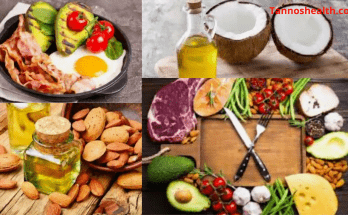
For decades, dietary fats were demonized as the primary cause of obesity and heart disease. However, modern research confirms that not all fats are created equal—some are essential for optimal health.
Healthy fats support brain function, hormone production, nutrient absorption, and cardiovascular health. In fact, fats help in the absorption of vitamins A, D and E.
These vitamins are fat-soluble, meaning they can only be absorbed with the help of fats. However, the body cannot make fats by itself. Therefore, your body highly requires a small quantity of fat to assist in the absorption of the necessary vitamins.
This guide explores the best types of healthy fats, their benefits, and how to incorporate them into your diet.
Types of Fats in Food?
There are four major types of fats to eat in moderate quantities, they include:
-
Monounsaturated Fats (MUFAs) – Found in olive oil, avocados, and nuts, these fats improve heart health and reduce inflammation.
-
Polyunsaturated Fats (PUFAs) – Includes omega-3 and omega-6 fatty acids, crucial for brain function and reducing heart disease risk.
-
Saturated Fats – While excessive intake can be harmful, some sources like coconut oil and grass-fed butter have metabolic benefits.
-
Trans Fats (Avoid) – Artificially hydrogenated fats found in processed foods; these should be eliminated from the diet.
A balanced intake of MUFAs and PUFAs, while minimizing trans fats, is key to a healthy diet. For a healthy diet, it is important to minimize the portion of fats on either foods or drinks that we consume.
For instance, avoid saturated fats and Trans fats, and replace some of them with unsaturated fats.
1. Saturated fats in food
Starting with saturated types of fats in food. Saturated fats are simply fat molecules that have no double bonds between carbon molecules because they are saturated with hydrogen molecules.
Saturated fats are typically solid at room temperature. They are need in the body in a small amount or you should avoid them if possible.
Most of these fats are available in several foods. However, most of them are found in animals’ products, such as meat and dairy products.
Some are available in plants like:
- Palm oil
- Coconut oil
- MCT oil
- Raw butter
NOTE: Processed meats that contain saturated fats like bacon, hot dogs, sausages, and lunch meats may be very harmful to your health; therefore, limit their consumption.
What are Cholesterol fats?
Cholesterol fats are a waxy, fat-like substance that is found in all body cells. The body needs some cholesterol to make hormones, vitamin D, and substances that help you digest foods effectively
This type of fat is produced by your body. It is specifically generated in the liver. It is in the blood, in form of either low-density lipoprotein (LDL) or high-density lipoprotein (HDL).
What are the side effects of high cholesterol and saturated fats in the body?
When you consume an excessive amount of saturated fats it may result in an increase in LDP cholesterol in the blood.
This may expose you to a high risk of heart disease and stroke. However, HDL cholesterol has a beneficial influence on your body.
It helps in the discharge of excess cholesterol from any part of your body and transfers it to the liver where the excess amino acids are disposed of.
2. Trans fats in food
Transfats are types of fats in food, actually, an unsaturated fat that occurs in small amounts in meat and milk fat.
Artificial trans fat is made when hydrogen is added to liquid vegetable oil to make it more solid. It is naturally available at low levels in certain foods.
Trans fats can be found in commercially baked and fried foods made with vegetable shortenings, such as fries and donuts
The following are types of food rich in trans fats:
- Fatty cuts of meat,
- Meat products like sausages and pies, butter, ghee, and lard.
- Processed foods
- Snack foods, such as chips and crackers
- Cookies
- Some margarine and salad dressings
- Foods made with shortening and partially hydrogenated oils
What are hydrogenated oils?
These are healthy oil in which, when hydrogen is added to the oil molecule, it turns oil from a liquid into a semi-solid substance and makes the oil more stable, the process is called hydrogenation.
In fact, food companies began using hydrogenated oil to help increase shelf life and save costs.
Shelf life is the length of time that a commodity may be stored without becoming unfit for use, consumption, or sale.
Types of hydrogenated oils in food
There two types of hydrogenated oil that we normally use
- Partially hydrogenated oils- contain those hard-to-metabolize trans fats.
- Fully hydrogenated oil- They don’t contain those hard-to-metabolize trans fats .
Partially hydrogenated oils
Partially hydrogenated oils are most commonly found in foods that also have saturated fats. They contain those hard-to-metabolize trans fats.
They include;
- Margarine.
- Vegetable shortening.
- Packaged snacks.
- Baked foods, especially premade versions.
- Ready-to-use dough.
- Fried foods.
- Coffee creamers, both dairy and nondairy.
Fully hydrogenated oil
Oils that are fully hydrogenated are firmer and don’t contain any of the dangerous artery-inflaming trans fat found in partially hydrogenated oils. They include the following;
- Peanut Oil
- Corn Oil
- Cottonseed Oil
- Avocado Oil
- Olive Oil
- Soybean Oil
- Palm Oil
Side Effects of Hydrogenated oils in food
Hydrogenated oil is not healthy. Trans fats can raise cholesterol levels in the blood; therefore, consider limiting it in your diet.
To know exactly what you’re purchasing, it is crucial to carefully check labels to see if the product contains partially hydrogenated oil.
If it does, then these are trans fats, therefore, you need to uses it with caution if you must use it.
Essential amount of saturated and trans fats to eat
If you are a man, you should not intake at least 30g of saturated fat a day and not more than 5g of trans fat per day.
For women, they should not eat more than 20g of saturated fats a day and not exceed 5g of trans fat
On the other hand, children should have the least amount as possible as compared to women and adult for both trans-fat and saturated fat.
3. Unsaturated type of fats in food
The healthiest types of fats in food to eat are unsaturated fats. Unsaturated fat is a fat or fatty acid in which there is at least a single double bond within the fatty acid chain.
A fatty acid chain is monounsaturated if it contains one double bond, and polyunsaturated if it contains more than one double bond. Unsaturated fat is the most recommended type of fat for the absorption of vitamins A, D, and vitamin E.
Benefits of unsaturated fats
It does not expose you to the risk of heart disease, unlike saturated fat. It helps to lower the cholesterol level in your body. Therefore, if you are a serious individual and want to reduce your overall fat intake.
The vital thing to achieve it is by swapping from saturated fat to unsaturated fats. Unsaturated fats are found in oils from plants and fish.
Types of unsaturated fats in food
There are two types of unsaturated fats that are healthy for consumption:
- Polyunsaturated
- Monounsaturated fats.
a) Monounsaturated fats
Monounsaturated fats are the healthy type of fats to eat. The fact is, monounsaturated fats assist your body in the safeguard to the heart.
It maintains the level of HDL cholesterol, which is the best type of cholesterol. It also helps in the reduction of LDL cholesterol, which is harmful to the body.
They are readily available in:
- Olive oil
- Rapeseed oil
- Avocados
- Some nuts such as almonds, brazils, and peanuts.
b) Polyunsaturated fats
Other healthy types of fats in food to eat are polyunsaturated fats. Polyunsaturated fats can help lower your LDL (bad) cholesterol. Having low LDL cholesterol reduces your risk of heart disease.
They are two major types of polyunsaturated fats. They include;
- Omega-3
- Omega-6 fatty acids
The two types of fats are very essential to your health, although the body cannot produce them. You need a small amount for part of your healthy, balanced diet.

Omega-6 fats in food
Omega 6 fatty acids are healthy types of fats to eat as they help to improve brain health and arteries’ function in the body.
However, it can promote inflammation in the body. Omega-6 fatty acids are available in the following foods:
- Vegetable oils like grapeseed, corn, sunflower,
- Some nuts, cottonseed
Omega-3 fats
Omega-3 fatty acids are the healthiest types of fats to eat as they have several health benefits.
They help reduce inflammation, prevent cancer, diabetes, blood pressure, cholesterol, reduce anxiety, cell membranes, and many others. The omega-3s are available in the following foods:
- Fatty oily fish
- Mackerel
- Kippers
- Herring
- Trout
- Sardines
- Salmon
Benefits of Polyunsaturated fats
Polyunsaturated fats can help lower the level of LDL cholesterol. Actually, the intake of omega-3 fatty acids is very important.
It has a powerful significant in your body, such as fighting depression, minimizing the amount of fat in your liver, reducing blood triglycerides, and helping prevent asthma.
Therefore, it is advisable to have more omega-3 fatty acids in your diet. For instance, eat at least two portions of fish a week, including one of oily fish.
Top Healthy Fat Foods to Include in Your Diet
1. Avocados
Avocados are rich in monounsaturated fats, fiber, and potassium. Studies show they improve cholesterol levels and support heart health.
2. Fatty Fish (Salmon, Mackerel, Sardines)
Fatty fish are the best sources of omega-3 fatty acids (EPA and DHA), which reduce inflammation and lower the risk of chronic diseases.
3. Nuts and Seeds (Almonds, Walnuts, Chia Seeds)
Nuts provide healthy fats, protein, and fiber. Chia seeds, in particular, are high in ALA (a plant-based omega-3) and support digestion.
4. Extra Virgin Olive Oil
A staple of the Mediterranean diet, olive oil is rich in antioxidants and oleic acid, which promote heart health.
5. Full-Fat Yogurt and Cheese
Full-fat dairy contains conjugated linoleic acid (CLA), which may aid in weight management and metabolic health.
6. Dark Chocolate (70% Cocoa or Higher)
Dark chocolate provides healthy fats, antioxidants, and minerals like iron and magnesium.
7. Coconut Oil
Though high in saturated fat, coconut oil contains medium-chain triglycerides (MCTs), which may boost metabolism.
How to Incorporate More Healthy Fats Into Your Diet
-
Swap butter for avocado or olive oil in cooking.
-
Add nuts and seeds to salads, yogurt, or oatmeal.
-
Choose fatty fish like salmon at least twice a week.
-
Use full-fat dairy instead of low-fat versions (which often contain added sugars).
-
Snack on dark chocolate or nut butters instead of processed snacks.
FAQs About Healthy Fats
1. Are saturated fats bad for you?
Not all saturated fats are harmful. While excessive intake from processed meats can raise LDL cholesterol, sources like coconut oil and grass-fed butter may have neutral or beneficial effects in moderation.
2. How much fat should I eat daily?
The Dietary Guidelines for Americans recommend that fats make up 20-35% of total daily calories, with most coming from unsaturated sources.
3. Can healthy fats help with weight loss?
Yes. Healthy fats increase satiety, reducing overeating. Studies show that diets rich in MUFAs and PUFAs support sustainable weight loss.
4. What are the best plant-based sources of omega-3s?
Chia seeds, flaxseeds, walnuts, and hemp seeds are excellent plant-based omega-3 sources (ALA). However, the body converts ALA inefficiently, so consider algae-based supplements if vegan.
5. Does cooking with olive oil destroy its benefits?
Extra virgin olive oil has a high smoke point, but prolonged high-heat cooking can degrade some antioxidants. For frying, avocado oil is more stable.
6. Are there risks to eating too much healthy fat?
Even healthy fats are calorie-dense. Overconsumption can lead to weight gain, so balance is key.
Takeaway
There are various types of fats in food, both bad and healthy, that people consume. Healthy fats are vital for energy, brain function, and disease prevention.
By choosing the right fats—such as those from avocados, nuts, fish, and olive oil—you can enhance your overall well-being.
However, when you consume an excessive amount of saturated fats, it may result in an increase in LDP cholesterol in the blood. This can lead to other health complications such as heart disease, stroke, heart failure and many more.
Avoid processed trans fats and focus on whole, nutrient-dense sources. Hydrogenated vegetable oils are not healthy; therefore, you should also avoid them.